

From Frosty Boulevards to Alpine Switchbacks

This guide explores Cold-Weather EV Getaways: Managing Range on Winter Drives from City Streets to Mountain Trails, combining clear science, practical checklists, and traveler stories. Learn to plan routes, keep batteries warm, find dependable chargers, and balance comfort with efficiency, so spontaneous snowy escapes feel confident, joyful, and safe, even when temperatures plummet and mountain winds challenge every mile. Share your stories, leave questions, and subscribe for fresh winter routes, charging maps, and tested tactics that truly work.

Plan Like a Pro Before the First Flake Falls

Preparation multiplies range. Start with realistic winter consumption estimates, generous buffers, and flexible stops. Study elevation, average speeds, and wind direction, then align departure with preconditioning windows. When storms shuffle plans, a resilient itinerary turns detours into discoveries, not stress, especially with backup chargers mapped and confirmed.

Smart Routing With Warm Batteries and Reliable Plugs

Build routes that keep the pack warm by starting near home chargers, finishing preconditioning moments before departure, and timing rapid stops after climbs. Cross-check stations with recent check-ins, power levels, and access notes. Save alternates within short hops, so cold delays never corner your options.
Forecasts, Elevation Profiles, and the Invisible Wind

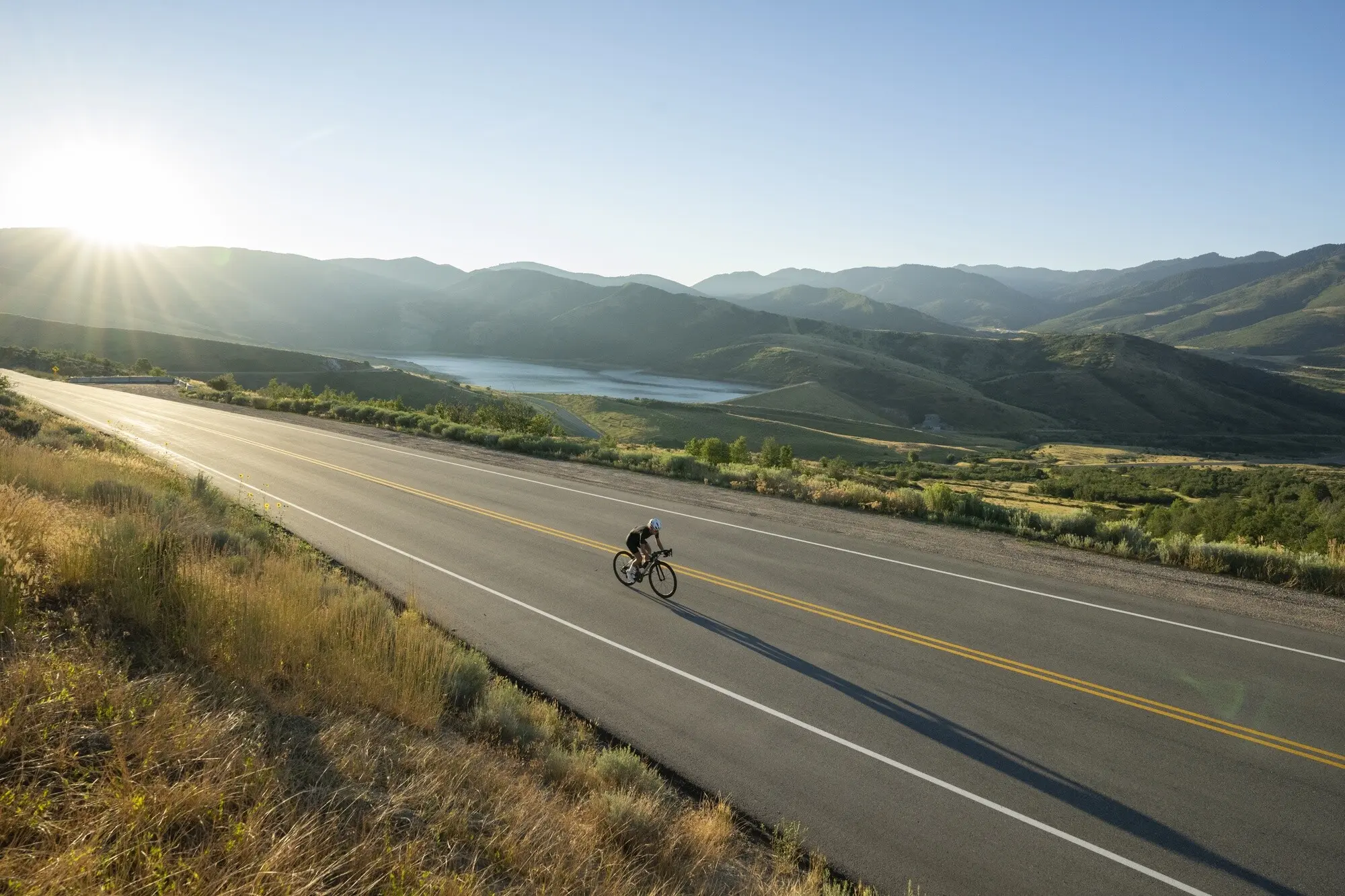
Pair weather forecasts with elevation data to anticipate headwinds, drifting snow, and temperature inversions that sap range. A small tailwind can save kilowatts; a crosswind can steal them. Depart strategically, shorten gaps between chargers, and treat changing gusts as moving variables you can plan around.

Packing the Winter Kit That Extends Real-World Range

Pack a compact shovel, traction boards, gloves, window scraper, tow strap, space blanket, and headlamp. Add portable tire inflator, folding snow brush, and extension cord for 120‑volt trickle when stranded. Hot drinks, calorie-dense snacks, and hand warmers boost human endurance, preserving driving focus and efficiency.
What Cold Does to Your Battery, Plainly Explained

At low temperatures, ion mobility drops and anode plating risks rise, so charging must slow to protect cells. Preconditioning elevates pack temperature, opening safer charge windows and restoring power delivery. Trigger it via navigation to a charger or scheduled departure for reliable winter responsiveness.
In deep cold, keeping state of charge between roughly forty and eighty percent balances power availability, regen acceptance, and pack longevity. Avoid hovering at very low percentages before climbs. Maintain healthy buffers, and finish charges near departure, not hours earlier, so thermal energy remains available.
Heat pumps save energy but still need time to warm components. Cabin heat does not significantly warm the battery in most models. Driving gently after a cold soak reduces stress. Combine seat heaters, defrost bursts, and preconditioning to unlock dependable winter drivability without unrealistic expectations or worry.

City Tactics for Frosty Errands and Downtown Departures

Urban miles can be surprisingly efficient when managed deliberately. Park indoors or in sun pools, time departures after preconditioning, and string short stops between reliable plugs. Smooth throttle, early regeneration, and gentle tires on packed snow preserve energy, safety, and confidence before bigger adventures begin.

Climbing Efficiently While Protecting Power Reserves

Begin ascents at moderate speeds, selecting the most efficient power mode and anticipating curves to reduce braking. Drafting safely behind larger vehicles can soften headwinds. Pause briefly mid-climb if necessary near a charger, arriving warm and ready to add enough energy for the final push.

Descending Safely with Controlled Regeneration in Ice

On icy descents, limit aggressive regen that could unsettle traction, preferring lower settings and gentle friction braking. Keep following distances wide, and scan for black ice. Prioritize stability over energy capture; controlled, predictable motion protects passengers, tires, and your remaining range for the road ahead.

Charging Networks, Backups, and Real-World Pit Stops

Fast Chargers in Subzero Conditions and Arriving Warm

Cold batteries accept less power. Navigate to the charger to trigger preconditioning, drive briskly enough to maintain temperature, and time arrival after a climb. If sessions start slowly, be patient; a few minutes of warming can unlock higher rates and shorten the overall stop meaningfully.

Lodges, RV Parks, and Cabin Outlets as Overnight Allies

Call ahead to confirm outlets, amperage, and permission. A steady overnight level‑2 session restores range while you sleep and keeps the pack temperate. Ask politely, tip hosts, and secure cords safely. Morning departures feel effortless when you wake to warm cells and frost‑free glass.

Apps, Payment Quirks, and What to Do If a Stall Fails

Keep multiple network apps installed, logged in, and funded. Save support numbers offline, and photograph station IDs for quick help. If a stall errors, try another handle, reboot the vehicle session, or move. Share status updates to help fellow travelers reroute before arriving cold.

Warmth, Visibility, and Comfort Without Burning Excess Energy

Stay cozy and clear-headed while protecting range. Preheat on shore power, target the people not the air, and pulse defrost strategically. Clean glass and door seals reduce fogging. Small comforts—music, mittens, thermos—keep morale high, so smart choices feel natural, not restrictive or dreary.
Piralaxitavo
Privacy Overview

This website uses cookies so that we can provide you with the best user experience possible. Cookie information is stored in your browser and performs functions such as recognising you when you return to our website and helping our team to understand which sections of the website you find most interesting and useful.